On Monday, the 63rd Annual Meeting and Exposition of the American Society of Hematology came to an end. The hybrid model worked for the most part. Like any live event, there were technology hiccups here and there.
Here are my five takeaways from the meeting.
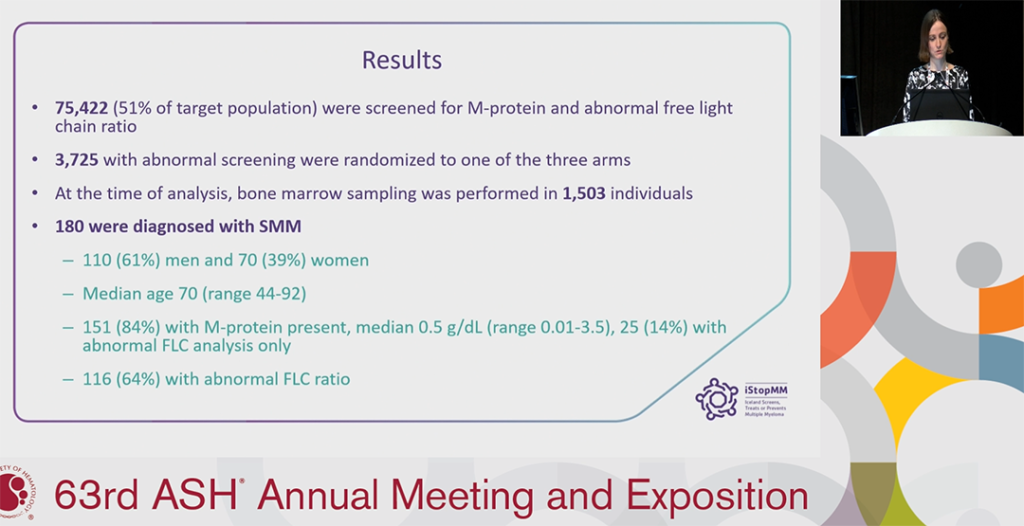
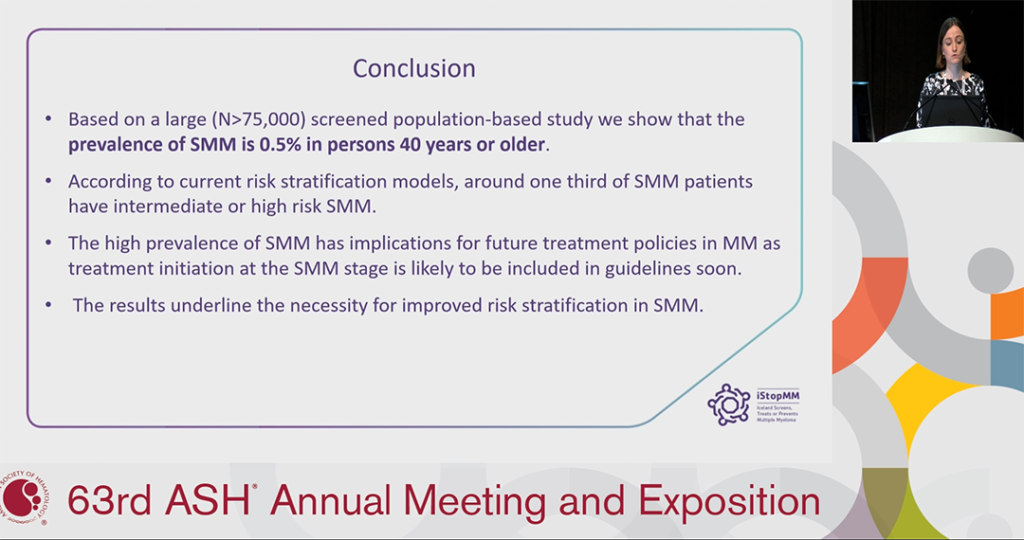
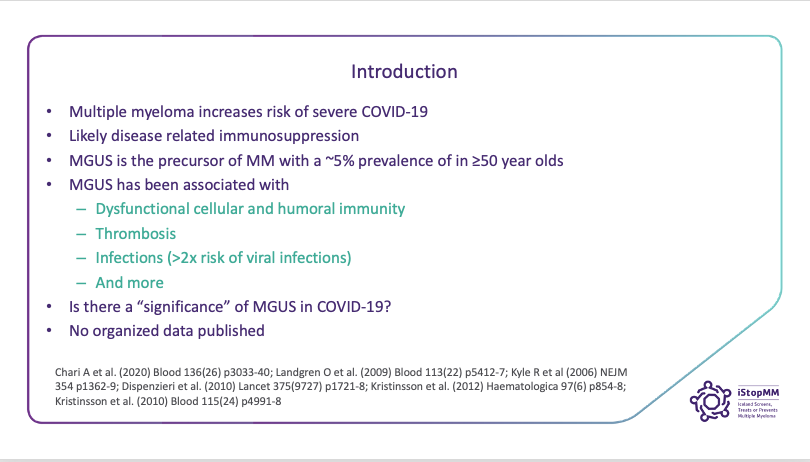
Screening for myeloma will become the future. The iStopMM (Iceland Screens Treats or Prevents Multiple Myeloma) team had four live presentations related to smoldering multiple myeloma (SMM) that indicated about 0.5% of the Iceland population has the precursor condition called monoclonal gammopathy of undetermined significance (MGUS); those who were screened did not have an increase in psychological distress. However, primary investigator Dr. Sigurdur Kristinsson (Professor of Hematology — University of Iceland) insisted that we should wait until after the data matures in a few years before making screening standard of care.
The era of immunotherapy is here. With cilta-cel showing a near 100% overall response rate, and with the deepening of the stringent complete response (sCR) from year one to year two, as well as various B cell maturation antigens (BCMAs) and antibody drug conjugates (ACDs) showing significant response rate for highly refractory patients, it is my hope that they will be approved and will be made available to myeloma patients.
CD38 antibody quadruplets will become the standard of care. For newly diagnosed patients, multiple studies have shown that the addition of CD38 drugs such as DARZALEX® (daratumumab) and SARCLISA® (isatuximab-irfc) have shown a higher rate of sustained minimal residual disease (MRD) negativity with minimal increased toxicity.
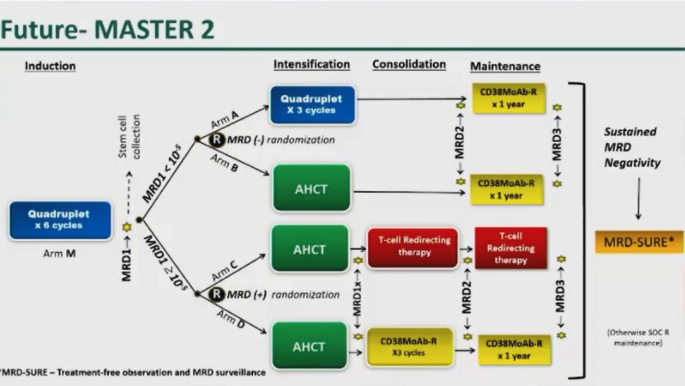
MRD adopted therapy is more significant than ever before. While MRD adopted therapy is not yet the standard of care, patients are waiting for it to be. Myeloma patients are living longer and longer, thanks to newer drugs coming to the market. It is also important to note who will benefit from a drug holiday and who will benefit from a more intense treatment.
Address the needs of ultra high-risk patients. The needs of ultra high-risk patients continue to be significantly unmet, especially for those with progressing myeloma despite going through the best treatments. I encourage those who are in this risk category to seek clinical trials, and those who are in a position to design clinical trials to work with urgency to address these needs.
Stem cell transplant is here to stay. Despite challenges faced in terms of benefits vs. risks, stem cell transplant continues to be a part of the myeloma arsenal.
While ASH may be officially over, we have several post-ASH meetings coming up! Check out https://myeloma.org for details.
I was going to write something insightful – my biggest takeaways – from the last two days of the 63rd annual meeting of the American Society of Hematology (ASH) meeting. I started saying that:
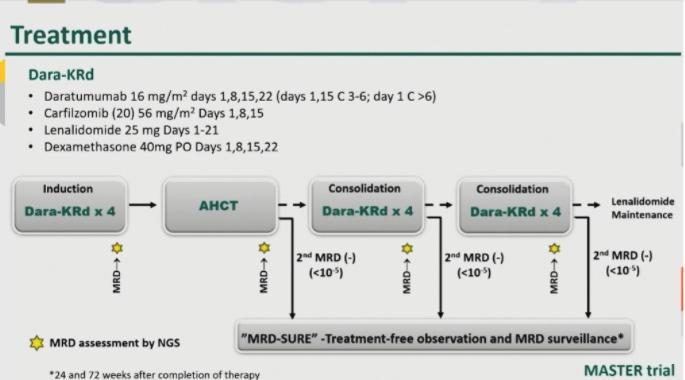
the MASTER trial was very patient-centric; it had over 23% African Americans enrolled in the trial, the MRD response adopted treatment secession strategy is innovative, the trial enrollment was enriched and powered for high-risk patients, and the MASTER-2 trial design is future-looking, the result of
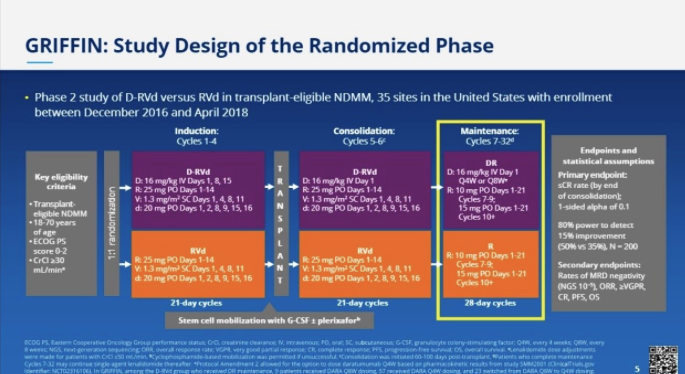
the GRIFFIN trial could be setting quadruplet (dara-RVd) standard of care for high-risk patients in those countries where dara is approved and can afford it
the near 100% ORR, deepening stringent complete response (sCR) at year 2, results of CARTITUDE-1 are going to be game-changing and an indicator that myeloma has indeed entered the era of immunotherapy
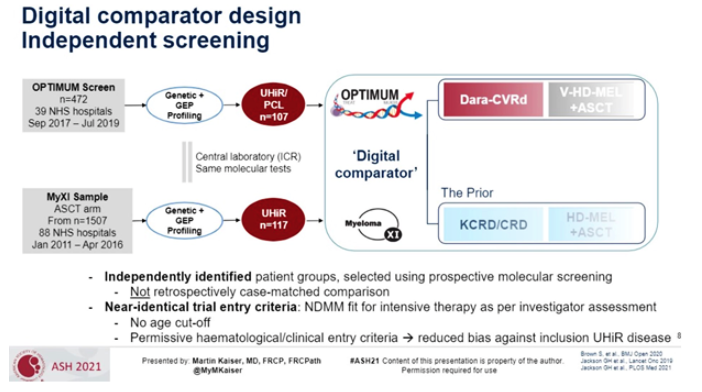
the OPTIMUM data showed the benefit of adding a CD38 to a quadruplet for those prospectively identified as having ultra high-risk disease by gene expression profile (GEP)
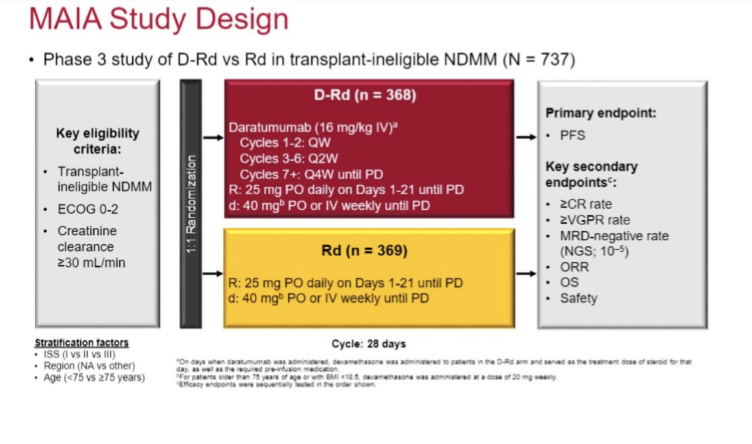
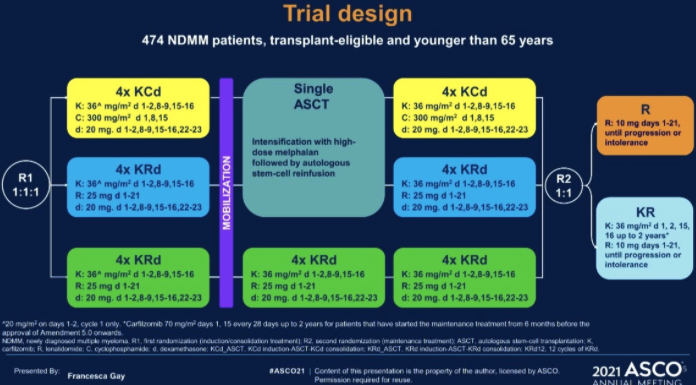
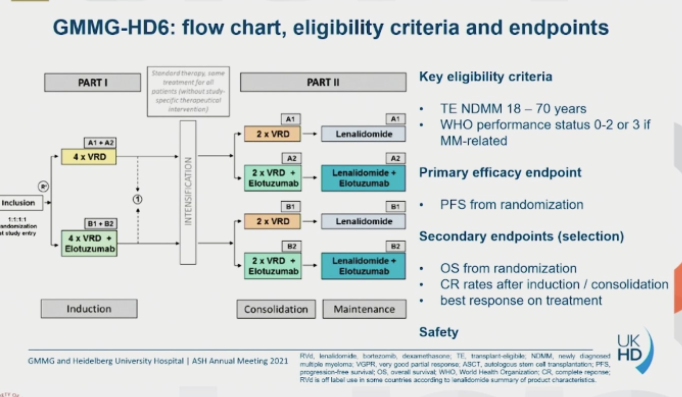
Then I said, what were the drugs in the GRIFFIN trial again, and what are the randomization criteria for those trials with one? That is when I pivoted to collecting the trial design in one place for some of the clinical trials presented or referenced at #ASH21. Below is a non-exhaustive list of trial designs for us clinical trial mortals. In no particular order:
OPTIMUM [Daratumumab, Cyclophosphamide, Bortezomib, Lenalidomide, Dexamethasone (Dara-CVRd), V-Augmented Autologous Stem Cell Transplant (V-ASCT) and Dara-Vrd Consolidation in Ultra-High Risk (UHiR) Newly Diagnosed Myeloma (NDMM) and Primary Plasma Cell Leukemia (pPCL) Compared with Myeloma XI/XI+ Trial Treatment for Uhir MM: The UK Optimum/Muknine Trial (Clinically Relevant Abstract)]
MASTER [Daratumumab, Carfilzomib, Lenalidomide, and Dexamethasone (Dara-KRd), Autologous Transplantation and MRD Response-Adapted Consolidation and Treatment Cessation. Final Primary Endpoint Analysis of the Master Trial]
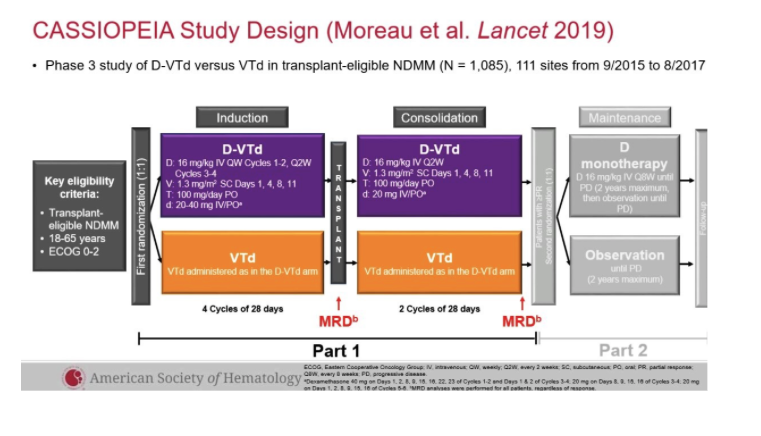
CASSIOPEIA [Daratumumab (DARA) with Bortezomib, Thalidomide, and Dexamethasone (VTd) in Transplant-Eligible Patients (Pts) with Newly Diagnosed Multiple Myeloma (NDMM): Analysis of Minimal Residual Disease (MRD) Negativity in Cassiopeia Part 1 and Part 2]
MAIA [Daratumumab, lenalidomide, and dexamethasone versus lenalidomide and dexamethasone alone in newly diagnosed multiple myeloma (MAIA): a randomized, open-label, phase 3 trial]
Forte [Evaluation of the Safety and the Efficacy of Carfilzomib Combined With Cyclophosphamide and Dexamethasone (CCyd) or Lenalidomide and Dex (CRd) Followed by Autologous Stem Cell Transplant (ASCT) or 12 Cycles of Carf Combined With Dex and Len for Patients Eligible for ASCT With Newly Diagnosed Multiple Myeloma]
GRIFFIN [Study Comparing Daratumumab, Lenalidomide, Bortezomib, and Dexamethasone (D-RVd) Versus Lenalidomide, Bortezomib, and Dexamethasone (RVd) in Subjects With Newly Diagnosed Multiple Myeloma]
GMMG-HD6 A Phase III Trial on the Effect of Elotuzumab in VRD Induction /Consolidation and Lenalidomide Maintenance in Patients With Newly Diagnosed Myeloma (GMMG-HD6)
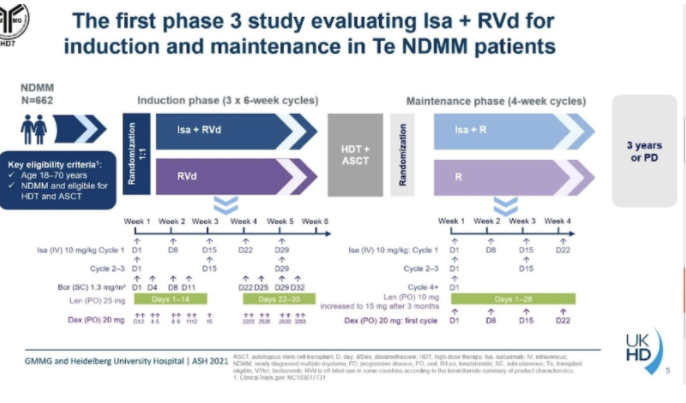
GMMG-HD7 Trial on the Effect of Isatuximab to Lenaliodomide/Bortezomib/Dexamethasone (RVd) Induction and Lenalidomide Maintenance in Patients With Newly Diagnosed Myeloma (GMMG HD7)
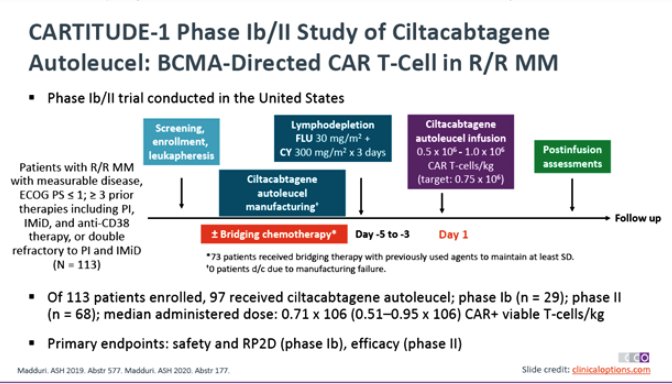
CARTITUDE-1 A Study of JNJ-68284528, a Chimeric Antigen Receptor T Cell (CAR T) Therapy Directed Against B-Cell Maturation Antigen (BCMA) in Participants With Relapsed or Refractory Multiple Myeloma. Please note there are now CARTITUDE-2, 3, 4, and 5 in progress. You can read about them at clinicaltrial.gov site
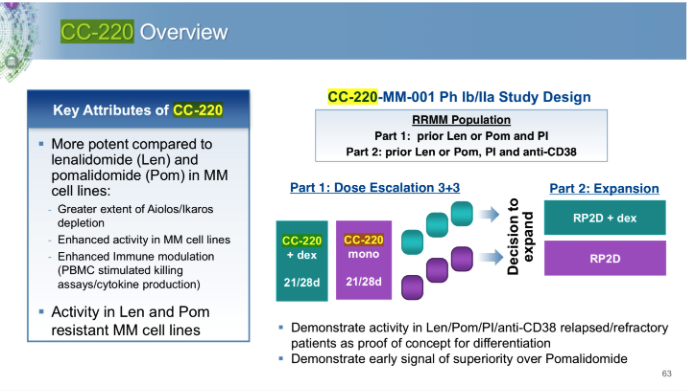
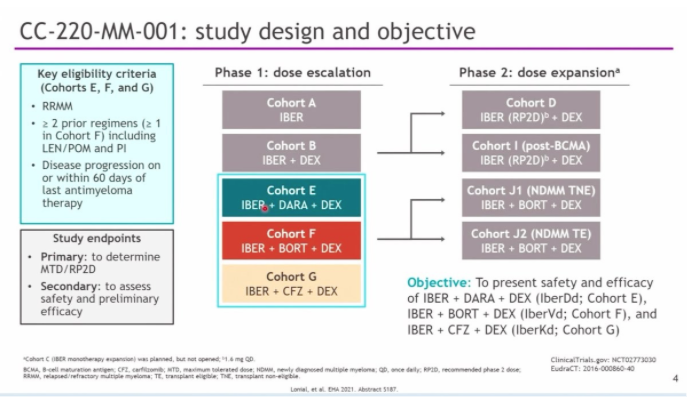
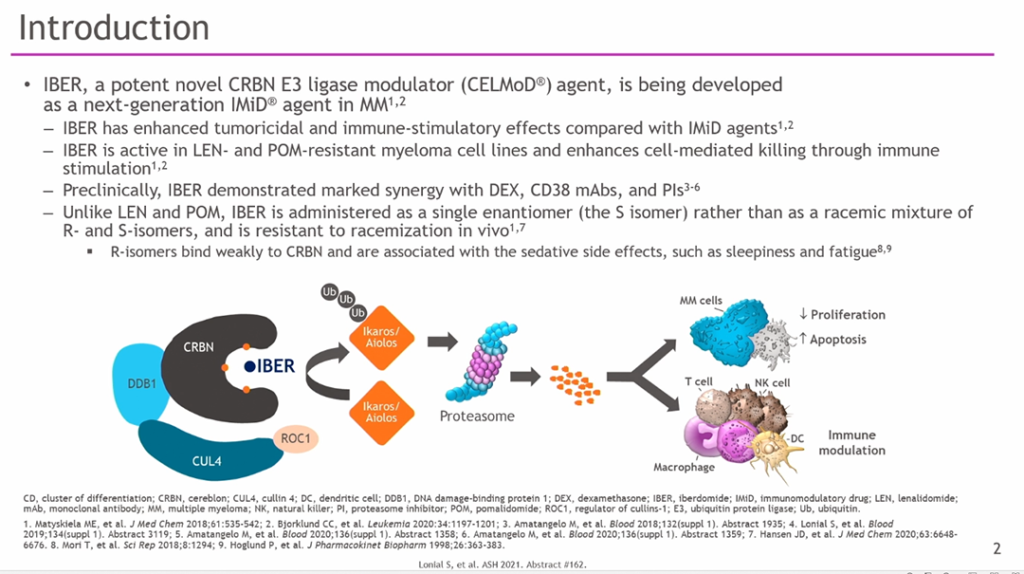
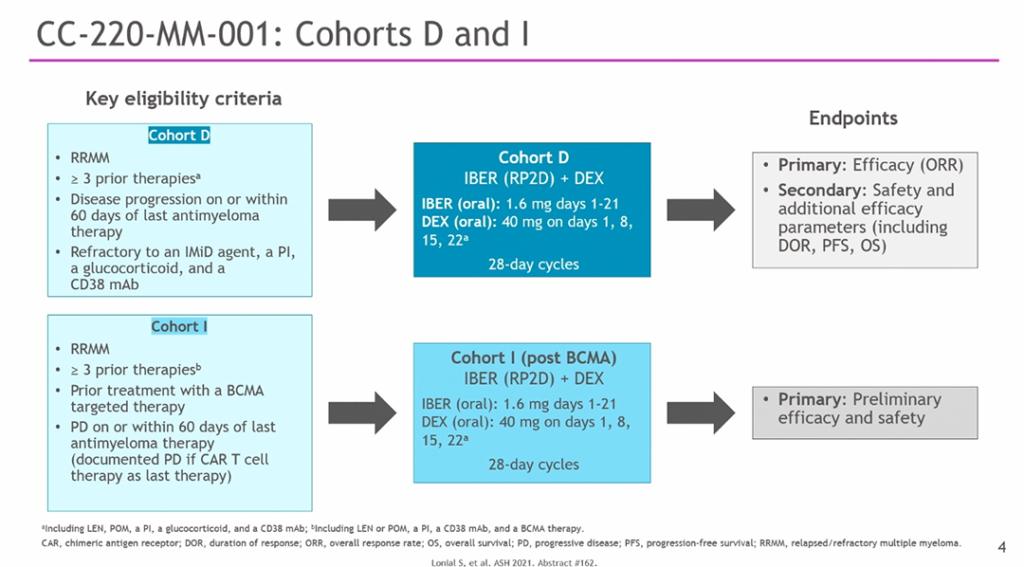
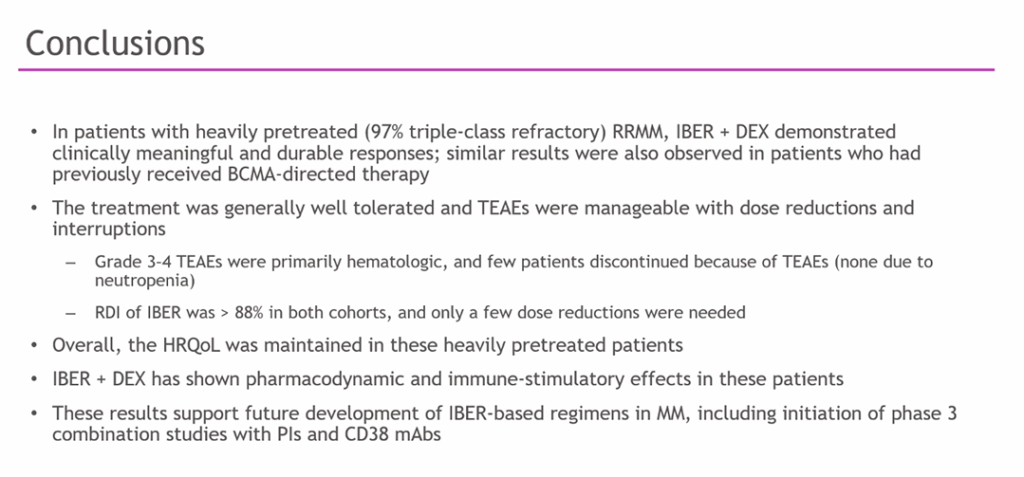
CC-220-MM-001 [Iberdomide (IBER) in Combination with Dexamethasone (DEX) in Patients (pts) with Relapsed/Refractory Multiple Myeloma (RRMM): Results from the Dose-Expansion Phase of the CC-220-MM-001 Trial]
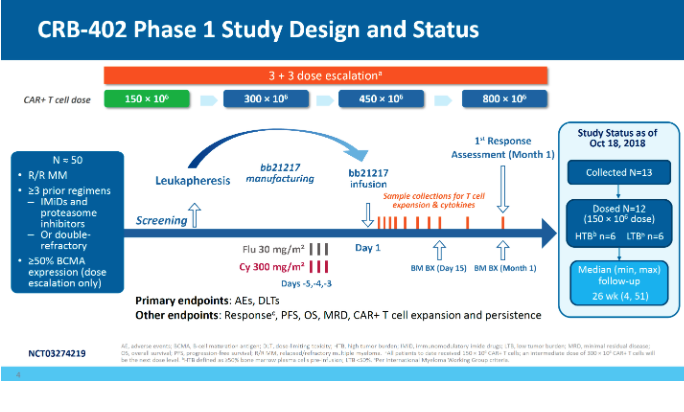
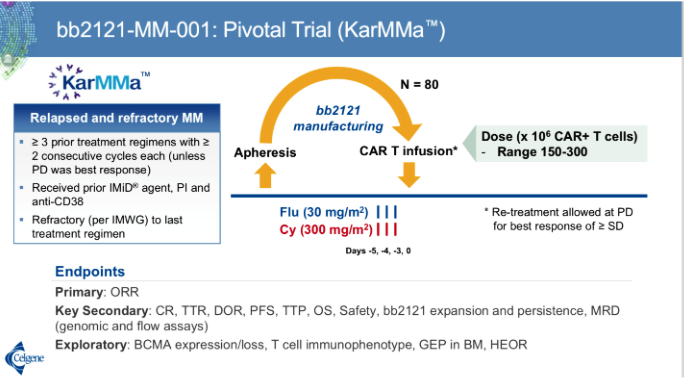
Bb21217 [Study CRB-402 a BCMA-Targeted CAR T Cell Therapy, bb21217 is a 2-part, non-randomized, open label, multi-site Phase 1 study of bb21217 in adults with relapsed/refractory multiple myeloma (MM). KarMMa is the bb2121-MM-001, the original bb2121 study]
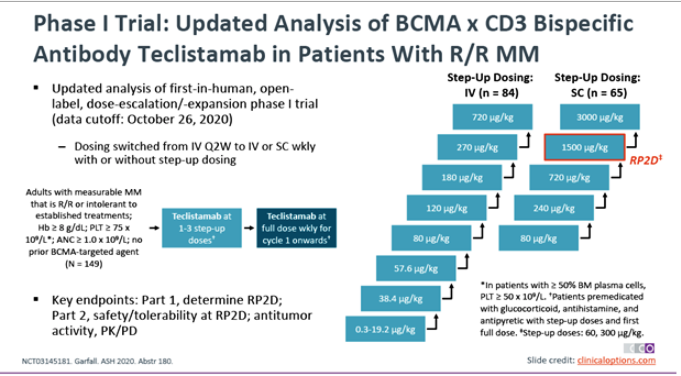
MajesTEC-1 (Phase 1/2 Study of Teclistamab, a B-Cell Maturation Antigen x CD3 Bispecific Antibody, in Relapsed/Refractory Multiple Myeloma)
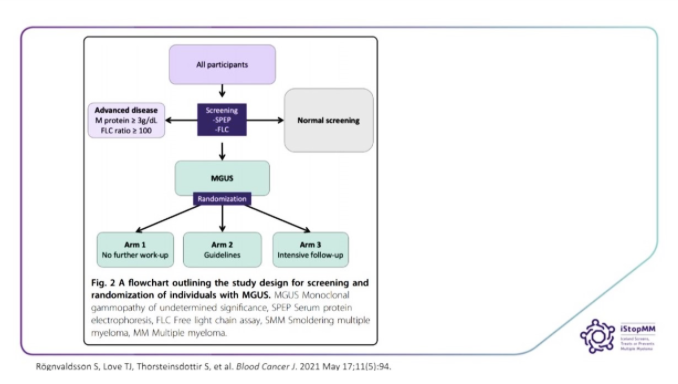
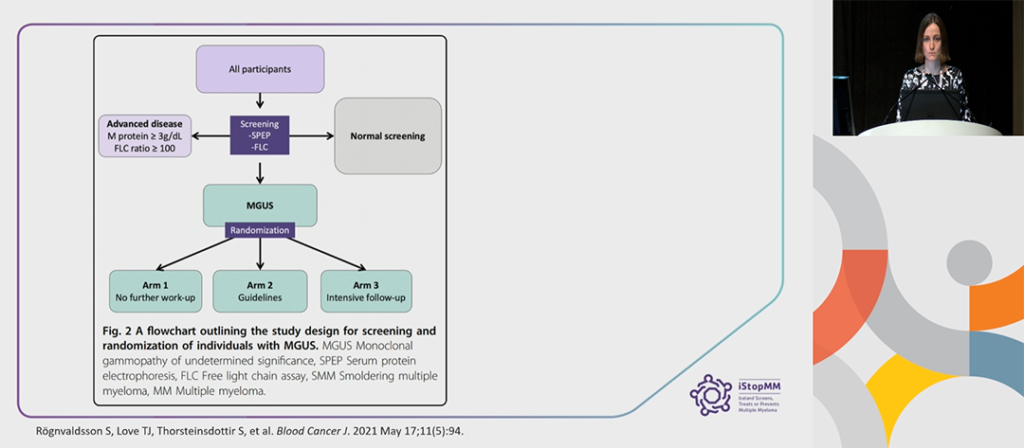
iStopMM [A Nationwide Phase 2 Trial of Patients With Smoldering and Active Multiple Myeloma (MM) (iStopMM)]
I hope this list of clinical trial design in one place will be helpful for patients, advocates, and those who don’t always speak myeloma.
As a Ph.D. with a focus in sport and exercise psychology (Kinesiology, Illinois, 1999), I naturally want to understand thought processes and emotions, and how they influence behavior. As a myeloma support group leader, I also participate in discussions with those on their myeloma pathway. And, as someone diagnosed with smoldering myeloma, I have evaluated (and constantly evaluate) my own pathway from a psychological perspective. This is natural for me, as this is life with a capital “L.” My Life is me — and how I view the world in the course of my pathway, or what I refer to as mindset, impacts my quality of life. It does for others, too.
Sometimes, people feel like things happen to them and they have no control, while others perceive more control in their lives in spite of challenges faced. This can be likened to the phrase of a glass half-empty or half-full, but it goes beyond simple pessimism and optimism. In short, those who lack a sense of control tend to feel like a pawn, as they experience low self-esteem, loss of motivation, and shame. They also tend to shut others out and may also use a lot of comparison behaviors.
In contrast, those who perceive more control act as orchestrators of life, regardless of current circumstances. Of course, unexpected and negative things happen, but they act through these things with a sense of involvement to determine their next best steps. Those with this mindset tend to persist more with health-related behaviors and have better mental health. And while they may listen to and learn from others’ experiences, they don’t engage in a lot of comparison. (Maybe you’ve heard the quote: “Comparison is the thief of joy.”)
With this orientation, I searched for ASH abstracts dealing with mental health. I found papers addressing:
psychological distress, prognostic awareness, and quality of life among patients and caregivers;
exploratory work assessing interest in lifestyle intervention for myeloma patients;
examination of depression, anxiety, and clinical trial perceptions among patients;
impact of a digital life coach during autologous stem cell transplant; and
financial toxicity and its effects on patients and families
Additionally, the iStopMM project reported that it will be assessing mental health longitudinally, and so that data will be highly anticipated in the years ahead.
I found much of this work interesting, and my original intent was to detail these various papers and their findings. But as I write, I’m shifting perspective to more of an editorial nature. As I provided a summary of mindsets above, I have nagging thoughts about toxic positivity along with the roles distress and mental/emotional pain. I think we have to be aware of toxic positivity. This is the frame of mind where negative emotions are dismissed and people think that no matter what, “I must present a positive mindset.” It tries to push aside the difficult emotions, such as fear and sadness, and can be quite harmful to our mental health.
In this Life, how can we help people who are in the midst of what for many is their toughest challenge? How can patients get to a mental space where they recognize and accept their challenge, and also hold a positive mental mindset that provides a healthy energy which helps them deal not only with day-to-day challenges, but also with something that endangers their way of life and, at times, even their existence?
For me, much of the answer is in rejecting toxic positivity and in embracing the full range of the emotional spectrum — from experiencing the high of highs to the low of lows, and being authentic and aware in these moments of life. Yes, in the low times, the heart hurts and feels like it’s breaking apart and is being torn out. We cannot deny these difficulties and must experience them. But how can we help others see that instead of breaking apart, the heart may actually be breaking open? Breaking open to new possibilities, new ways of being, deeper relationships, and a greater empathy as we move through our personal worlds. That in the midst of all the crap, there is something else there that can be used for good in the future. Maybe it’s not even an issue of the glass being half-full or half-empty — instead, it’s an issue of “now, what are you going to fill your glass with?”
Saturday at #ASH21 was a full day that began at 6:30 a.m. ET, with the #IMFASH21 team being invited to be a “Fly on the Wall” at the International Myeloma Working Group’s (IMWG) breakfast meeting. This prestigious group of over 250 global myeloma specialists meets twice a year to collaborate on projects. They form working groups, give updated status reports, produce guidelines for myeloma treatment, and decide upon new projects. At ASH, they also discuss and preview some ASH abstracts (which are embargoed until they are officially presented at ASH.)
I am both grateful and in awe at the amount of work this group does — and I mean “group.” As Susie Durie often would say: “Their egos are checked at the door,” and they come together on behalf of helping the entire myeloma community — from the general oncologists who don’t have time to come to ASH, to the patients and caregivers trying to keep up with the rapidly changing treatment paradigm. Learn more about IMWG and its guidelines/publications here.
After leaders attended the IMWG breakfast, we went directly into our schedule to view oral abstracts virtually. However, to our frustration, there were technical glitches, and we were not able to view some of the morning abstracts. But as resilient leaders, we will look to the replays. Our virtual badges give us the ability to watch #ASH21 replays until January 1.
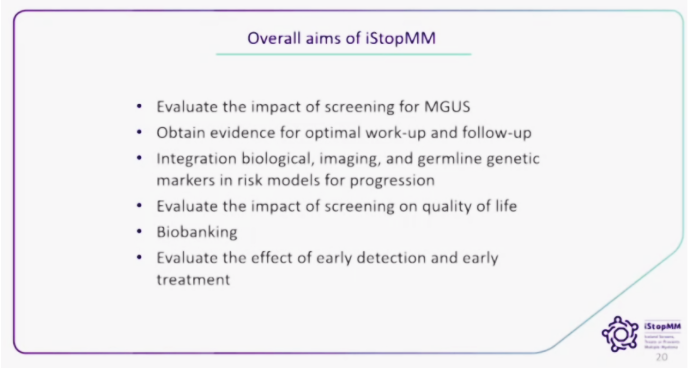
I mentioned in my pre-ASH blog that I would be reporting a bit on the iStopMM (Iceland Screens, Treats, or Prevents Multiple Myeloma) project in each of my blogs. iStopMM aims to map the epidemiological and clinical characteristics of smoldering multiple myeloma (SMM) in the general population based on a large population-based screening study.
Michael and I have been extremely interested in this project since its inception 5 years ago. This year at ASH, the iStopMM team has four oral abstracts and two posters — quite an amazing accomplishment! I listened with great anticipation, and I continue to be inspired by the results and the selflessness of the Icelandic people in their willingness to volunteer and to participate in this research! Read more in Oral Abstract 151: Prevalence of SMM: Results from iStopMM study Sigrun Thorsteinsdottir MD, Ph.D.
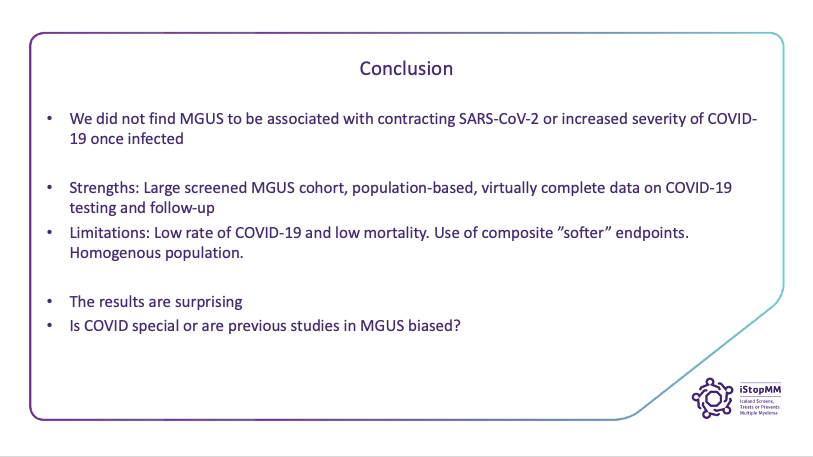
Additionally, refer to oral Abstract 154 on monoclonal gammopathy of undetermined significance (MGUS) and COVID-19 presented by Sæmundur Rögnvaldsson, MD (University of Iceland – Reykjavík, Iceland). This, of course, is of particular interest as we all learn how COVID-19 affects us. For MGUS patients in this large population-based study that included 75,422 individuals screened for MGUS, they did NOT find MGUS to be associated with SARS-CoV-2 susceptibility or COVID-19 severity. This is contrary to multiple myeloma (which is preceded by MGUS). These findings suggest that immunosuppression in MGUS differs significantly from that of multiple myeloma and is important since they can provide information for management as well as recommendations for individuals with MGUS.
Patients were heavily pretreated with 97% triple-class refractory. For me, this was an abstract I had been looking forward to, as it is a new mechanism of action. Cereblon E3 ligase modulator
(CELMoD) is “easy” since it’s all oral. Something to share with my support group members at home that is RRMM.
Saturday was packed with excellent presentations that continue to give us hope and are getting us closer to a cure, with lots of updates on MGUS, SMM, MM, and RRMM. Please read all the other excellent blogs from the #IMFASH21 Team members. Sharing the Hope!
Thanks to all the dedicated researchers. Cheers to your continued hard work that our futures will benefit from!
What a whirlwind of information it was this weekend! #ASH21 #IMFASH21
We learned about new and exciting studies related to monoclonal gammopathy of undetermined significance(MGUS) smoldering myeloma (particularly high-risk), and then active myeloma. I am so blessed to be able to participate in these presentations and gain this new level of insight into the myeloma world.
As a current high-risk myeloma patient with two young children, I started out as high-risk IGA MGUS and then developed high-risk smoldering myeloma (SMM). However, I continue to hope for a “magic wand” (as my son says) to cure this disease. Therefore, I am writing this blog from that perspective: (1) to encourage other multiple myeloma patients and caregivers, especially those with young children; (2) to provide uplifting information; and (3) to empower those with myeloma through these new educational resources.
As a previous high-risk IGA MGUS patient who had it for almost five years, the new studies out of Iceland with the iStopMM (Iceland Screens,Treats, or Prevents Multiple Myeloma) Study showed the importance of tracking MGUS. Depending on which type of MGUS you have, MGUS may have a greater tendency to turn into active disease. The iStopMM Study demonstrates the importance of tracking the disease so that doctors can monitor who may or may not progress into a different stage. Tracking the disease at an early stage allows myeloma patients and their medical team to monitor it carefully and decide when and if to move on to doing treatment. With early detection, a person can hope to avoid certain struggles and issues that they could face without early treatment.
If a patient moves from MGUS to smoldering myeloma, wow! What choices are coming down the road! Very exciting! As a patient who went from high-risk smoldering myeloma to active myeloma within 8 months, it is so encouraging to see the latest studies that show the benefits of treatment on high-risk SMM. It used to be that many high-risk SMM patients would use the “watch and wait” approach. While that still is a viable option (as there are considerations of starting therapies), it seems that there are some great outcomes when treating high-risk SMM patients. Some studies are showing promising results by using Kyprolis® (carfilzomib), Revlimid® (lenalidomide), and dexamethasone (also known as KRd) and even KRd with a stem cell transplant. [Carfilzomib, Lenalidomide and Dexamethasone (KRd) as Induction Followed by HDT-ASCT, Consolidation with KRd and Maintenance with Rd. GEM-CESAR, paper 1829.]
If the patient then goes into active myeloma, again – I just have to say, wow! There are all sorts of options! There were a lot of presentations that added daratumumab to various drug combinations. From a non-medical standpoint, it seems that in most cases, Dara added to these various drug combinations increased the survival rates and deepened the responses. However, for some patient groups, Dara wasn’t always the “magic wand.” While Dara may still help that segment of myeloma patients, it was not as effective as it was in other groups. But overall, it was great to know about the effectiveness of the drug, and how Dara provides another available option in the treatment arsenal in this myeloma journey.
Another interesting topic point was the discussion on CAR T therapy and minimal residual disease (MRD) negativity. CAR T therapy may be another treatment option for myeloma patients that could beneficial. Again, looking at it from a lay person’s perspective, it seems that CAR T therapy has advanced and some of the side effects have gotten a bit better. The stats related to progression free survival (PFS) and overall survival is amazing! It is also exciting to see how CAR T affects MRD negativity. MRD negativity seems to be a key factor in a person’s success in their myeloma journey. It is interesting to see how CAR T continues to develop as part of the myeloma treatment plan.
One of the primary outcomes of attending ASH this weekend was gathering INFORMATION! While I may not completely understand the ins and outs of the therapies, drugs, side effects, charts, stats, and everything else (my head is still spinning!), ASH provides the latest information that allow for intelligent and meaningful conversations with the medical/treatment team.
Information allows myeloma patients to be empowered, be their own advocate, and partner with their healthcare team to help make the right decisions with current available information. By learning more about different treatment options, myeloma patients can ask questions like: Is the current treatment plan still the best approach? Are there novel advances that may work better at the current stage of myeloma? Is now the best time to hit myeloma harder? For all these questions, I have no answers. But, by learning about new treatment options and therapies, myeloma patients are empowered to talk to their doctors about options and to see if status quo is the way to go or if there are any changes that should be considered based on the new research.
I have learned so much this weekend! It was interesting to see the developments that are happening within the myeloma community. The treatments are advancing every day. Hopefully, one day, we will find that “magic wand.”
My son and what he would love to be his magic wand!






You must be logged in to post a comment.